Take control
of your
health today
Regular health screenings and proactive measures can reduce inflammation and chronic disease risk by up to 70%, significantly lowering the need for costly treatments and improving quality of life.


Monitor for disease indicators
110+ biomarkers & insights. Your annual physical runs 26.
Heart & Metabolic Health
LDL Cholesterol
Apolipoprotein B (ApoB)
Triglycerides
hsCRP (high-sensitivity C-reactive protein)
Your cardiovascular and metabolic markers reveal your true risk for heart disease, diabetes, and stroke — often years before a diagnosis.
View all testable biomarkers
Hormones, thyroid, kidneys, micronutrients, gut, biological age. The full clinical picture — not a snapshot.
See full panel

The SPAN app



Data-driven care to help slow aging & optimize longevity

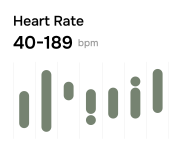
Harness cutting-edge data and expert insights to stay healthier, longer.


Smarter health built around you
Tailored action plans, simplified—so you can focus on living your best life.


Expert care from anywhere
Ongoing testing, consultations, and support—all from the comfort of your home or workplace.
Testable biomarkers & insights


Glucose
Monitoring blood glucose levels regularly and making necessary lifestyle adjustments can help prevent complications and maintain overall health.
Thyroxine (T4) Free
By keeping track of your T4 Free levels, you can ensure your thyroid is working correctly, helping you maintain balanced energy and a healthy metabolism.
Triiodothyronine (T3) Free
By keeping an eye on T3 Free levels, you can manage thyroid health and ensure your body’s metabolism and energy processes run smoothly, enhancing your overall well-being.
Thyroid Stimulating Hormone (TSH)
By keeping track of your TSH levels, you can maintain a healthy thyroid, ensuring balanced metabolism, energy, and well-being.
High-Sensitivity C-Reactive Protein (hs-CRP)
By regularly monitoring hs-CRP, you can get a clear picture of your inflammation levels and take steps to address any underlying health issues, reducing the risk of chronic diseases and improving overall health.
Glucose
Monitoring blood glucose levels regularly and making necessary lifestyle adjustments can help prevent complications and maintain overall health.
Insulin
Insulin is key for managing blood sugar and energy use, and tracking its levels helps prevent and manage conditions linked to poor insulin regulation.
Hemoglobin A1c (HgA1c)
HgA1c is reported as a percentage, indicating the portion of hemoglobin coated with glucose. Higher percentages reflect higher blood sugar levels over the past few months. For people with diabetes, tracking this biomarker every three months is essential for effective management. Certain medications that lower blood sugar can also impact HgA1c levels, highlighting the importance of comprehensive monitoring and treatment adjustment.
Cortisol
Keeping cortisol levels in check is crucial for overall health and well-being, helping prevent chronic stress and related health issues.
Folate
Regular monitoring of folate levels is crucial for maintaining overall health and preventing deficiencies that can lead to anemia, fatigue, and other serious health issues. Adequate folate intake supports DNA production, red blood cell formation, and overall cellular health, ensuring optimal well-being.
Vitamin B12
Maintaining adequate vitamin B12 levels supports overall health by ensuring proper nerve function, red blood cell production, and energy metabolism. Regular monitoring helps prevent deficiencies that can lead to anemia and neurological complications, promoting optimal well-being.
Insulin-like Growth Factor-1 (IGF-1)
By regularly monitoring IGF-1, you can gain valuable insights into growth hormone activity and take steps to address any underlying health issues, promoting better growth and overall well-being.
Prostate-Specific Antigen (PSA) - Total
Monitoring total PSA levels provides critical insights into prostate health, aiding in the early detection and management of prostate conditions and guiding decisions about further medical evaluation and treatment.
Prostate-Specific Antigen (PSA) % Free
Monitoring % Free PSA is essential for evaluating prostate health and making informed decisions about the need for further diagnostic procedures or treatments. Regular assessment helps in early detection and effective management of prostate-related conditions.
Sex Hormone Binding Globulin (SHBG)
Regularly monitoring SHBG levels helps you understand how your body manages sex hormones, guiding decisions for managing hormone-related health issues and improving overall well-being.
DHEA Sulfate
Maintaining balanced DHEA sulfate levels supports overall health, energy, and well-being, making it a key marker for both hormonal and adrenal health.
Total Testosterone
By tracking total testosterone, you gain insights into your hormonal balance, helping to ensure optimal physical, sexual, and mental health. Regular monitoring can aid in early detection and management of potential health issues, enhancing overall well-being.
Free Testosterone
By tracking free testosterone, you can ensure your body has enough of this vital hormone to maintain physical, sexual, and mental health, improving overall quality of life.
Prolactin
Understanding prolactin levels is key to managing reproductive and pituitary health, ensuring proper diagnosis and treatment of related conditions. Regular monitoring provides valuable insights into hormonal balance and overall well-being.
Luteinizing Hormone (LH)
Monitoring LH levels is crucial for assessing reproductive health, diagnosing fertility issues, and ensuring hormonal balance essential for overall well-being.
Follicle Stimulating Hormone (FSH)
FSH levels can be influenced by factors like weight and nutrition, making it important to monitor for maintaining reproductive health and addressing potential hormonal imbalances.
Progesterone
Understanding progesterone levels is vital for reproductive health in both women and men, ensuring hormonal balance and fertility are maintained. Regular monitoring and appropriate medical advice can help manage related health concerns effectively.
Estradiol
Monitoring estradiol is essential for assessing and managing conditions related to reproductive health, bone density, and hormonal imbalances.
Vitamin D 25-Hydroxy
Regular monitoring of vitamin D 25-hydroxy levels helps maintain bone health, supports immune function, and reduces the risk of various health issues associated with deficiency. Ensuring adequate vitamin D through sunlight, diet, or supplements promotes overall well-being and enhances quality of life.
Calcium
Calcium is crucial for maintaining strong bones and teeth, as well as proper muscle function. Most of the body's calcium is stored in bones and teeth, contributing to their strength. It also plays a role in muscle control and blood circulation.
Magnesium
Magnesium is crucial for overall health, influencing everything from muscle function to heart rhythm. Monitoring levels helps ensure proper bodily functions and supports a healthy lifestyle.
Z Score (Male)
Monitoring the Z score helps gauge bone health and assess growth hormone activity, aiding in the prevention and management of bone-related conditions like osteoporosis.
Insulin
Insulin is key for managing blood sugar and energy use, and tracking its levels helps prevent and manage conditions linked to poor insulin regulation.
Cortisol
Keeping cortisol levels in check is crucial for overall health and well-being, helping prevent chronic stress and related health issues.
Thyroxine (T4) Free
By keeping track of your T4 Free levels, you can ensure your thyroid is working correctly, helping you maintain balanced energy and a healthy metabolism.
Triiodothyronine (T3) Free
By keeping an eye on T3 Free levels, you can manage thyroid health and ensure your body’s metabolism and energy processes run smoothly, enhancing your overall well-being.
Thyroid Stimulating Hormone (TSH)
By keeping track of your TSH levels, you can maintain a healthy thyroid, ensuring balanced metabolism, energy, and well-being.
Uric Acid
Regular monitoring of uric acid levels provides crucial information about kidney health and metabolic function, helping individuals take proactive steps to maintain overall health and prevent serious conditions like gout and kidney stones.
Ferritin
Ferritin levels provide key insights into your body’s iron storage and overall health, helping to prevent and manage conditions related to iron imbalance.
Carbon Dioxide
By monitoring carbon dioxide levels, you can ensure your body is maintaining a healthy balance of acids and bases, which is critical for overall health and proper functioning of cells.
Neutrophils
Monitoring neutrophil levels can help check for infections, inflammation, leukemia, and other conditions, ensuring your immune system is functioning properly.
Monocytes
Understanding monocyte levels can help diagnose and manage various health conditions, ensuring your immune system functions properly.
Basophils %
Monitoring basophil percentages provides valuable information about your body’s immune response and potential allergic conditions, helping ensure effective management of allergies and inflammation.
Eosinophils %
Monitoring eosinophil percentages aids in diagnosing and managing allergies, infections, and overall immune function, ensuring your body can effectively respond to health challenges.
Lymphocytes %
Monitoring lymphocyte percentages is important for understanding overall immune health, helping diagnose infections, immune disorders, and ensuring your body is effectively defending against diseases.
Monocytes %
Monitoring monocyte percentages provides insights into your body's immune and inflammatory responses, ensuring your immune system is healthy and ready to fight invaders.
Neutrophils %
Checking neutrophil percentages is important for understanding your body's ability to fight infections and manage inflammation, ensuring a strong immune response.
Eosinophils
Monitoring eosinophil levels is important for diagnosing and managing allergies, asthma, and infections. It provides valuable insight into your body's immune response and overall health.
Basophils
Monitoring basophil levels is important because elevated levels can indicate allergies, inflammation, or infections. Keeping track of these levels helps in diagnosing and managing allergic conditions and understanding your overall immune health.
White Blood Cell (WBC) Count
Monitoring your WBC count ensures your immune system is in good shape and ready to protect your body against illnesses.
Homocysteine
Regularly monitoring homocysteine can help in early detection and management of cardiovascular risks and other related health issues.
Vitamin D 25-Hydroxy
Regular monitoring of vitamin D 25-hydroxy levels helps maintain bone health, supports immune function, and reduces the risk of various health issues associated with deficiency. Ensuring adequate vitamin D through sunlight, diet, or supplements promotes overall well-being and enhances quality of life.
High-Sensitivity C-Reactive Protein (hs-CRP)
By regularly monitoring hs-CRP, you can get a clear picture of your inflammation levels and take steps to address any underlying health issues, reducing the risk of chronic diseases and improving overall health.
Alanine Transaminase (ALT)
Monitoring ALT levels is crucial for maintaining liver health and catching any potential issues early on.
Glucose
Monitoring blood glucose levels regularly and making necessary lifestyle adjustments can help prevent complications and maintain overall health.
Insulin
Insulin is key for managing blood sugar and energy use, and tracking its levels helps prevent and manage conditions linked to poor insulin regulation.
Hemoglobin A1c (HgA1c)
HgA1c is reported as a percentage, indicating the portion of hemoglobin coated with glucose. Higher percentages reflect higher blood sugar levels over the past few months. For people with diabetes, tracking this biomarker every three months is essential for effective management. Certain medications that lower blood sugar can also impact HgA1c levels, highlighting the importance of comprehensive monitoring and treatment adjustment.
Thyroxine (T4) Free
By keeping track of your T4 Free levels, you can ensure your thyroid is working correctly, helping you maintain balanced energy and a healthy metabolism.
Triiodothyronine (T3) Free
By keeping an eye on T3 Free levels, you can manage thyroid health and ensure your body’s metabolism and energy processes run smoothly, enhancing your overall well-being.
Thyroid Stimulating Hormone (TSH)
By keeping track of your TSH levels, you can maintain a healthy thyroid, ensuring balanced metabolism, energy, and well-being.
Non-HDL Cholesterol
Monitoring non-HDL cholesterol helps assess cardiovascular risk more accurately and guides effective management strategies to improve heart health.
Total Cholesterol/HDL Ratio
The total cholesterol/HDL ratio is a crucial indicator of heart disease risk, reflecting the balance between total cholesterol and HDL cholesterol levels in your blood. Tracking this ratio helps in maintaining cardiovascular health and reducing the risk of heart-related complications.
Triglycerides
Triglycerides are fats that store energy in your body. Monitoring their levels helps manage risks associated with heart disease and metabolic disorders, encouraging healthier lifestyle choices to maintain optimal health.
High-Density Lipoprotein (HDL)
HDL is crucial for cardiovascular health as it helps remove harmful cholesterol from the body. Monitoring HDL levels provides insights into heart disease risk and guides lifestyle adjustments for better heart health.
Low-Density Lipoprotein (LDL)
LDL cholesterol plays a crucial role in cholesterol transport but high levels are associated with increased risk of heart disease. Monitoring LDL helps manage cardiovascular health and guides strategies to lower this risk through lifestyle changes and sometimes medication.
Total Cholesterol
Total cholesterol measures all cholesterol types in your blood and is a key indicator of cardiovascular risk. Monitoring total cholesterol helps in managing heart health and can guide personalized strategies to lower the risk of heart disease.
Lipoprotein (a)
Lipoprotein (a) testing is crucial for assessing cardiovascular risk, especially for those with a family history of heart problems, providing insights that can guide personalized prevention and treatment plans.
Apolipoprotein B (ApoB)
ApoB is a key marker for assessing your heart health because it provides a clearer picture of your cholesterol levels and their potential impact on your arteries. Monitoring ApoB can help identify cardiovascular risks more accurately than just looking at traditional cholesterol levels.
Glucose
Monitoring blood glucose levels regularly and making necessary lifestyle adjustments can help prevent complications and maintain overall health.
Hemoglobin A1c (HgA1c)
HgA1c is reported as a percentage, indicating the portion of hemoglobin coated with glucose. Higher percentages reflect higher blood sugar levels over the past few months. For people with diabetes, tracking this biomarker every three months is essential for effective management. Certain medications that lower blood sugar can also impact HgA1c levels, highlighting the importance of comprehensive monitoring and treatment adjustment.
Cortisol
Keeping cortisol levels in check is crucial for overall health and well-being, helping prevent chronic stress and related health issues.
High-Sensitivity C-Reactive Protein (hs-CRP)
By regularly monitoring hs-CRP, you can get a clear picture of your inflammation levels and take steps to address any underlying health issues, reducing the risk of chronic diseases and improving overall health.
Total Cholesterol/HDL Ratio
The total cholesterol/HDL ratio is a crucial indicator of heart disease risk, reflecting the balance between total cholesterol and HDL cholesterol levels in your blood. Tracking this ratio helps in maintaining cardiovascular health and reducing the risk of heart-related complications.
Triglycerides
Triglycerides are fats that store energy in your body. Monitoring their levels helps manage risks associated with heart disease and metabolic disorders, encouraging healthier lifestyle choices to maintain optimal health.
High-Density Lipoprotein (HDL)
HDL is crucial for cardiovascular health as it helps remove harmful cholesterol from the body. Monitoring HDL levels provides insights into heart disease risk and guides lifestyle adjustments for better heart health.
Gamma-Glutamyl Transferase (GGT)
Elevated GGT levels can lead to symptoms like fatigue, loss of appetite, nausea, and weight loss, highlighting the importance of this enzyme in maintaining liver health. Certain medications, such as phenobarbital, phenytoin, and warfarin, may also cause GGT levels to rise.
Total Bilirubin
By keeping track of total bilirubin levels, healthcare providers can assess liver health and identify potential problems with the liver or bile ducts early, ensuring better management and treatment of related conditions.
Alkaline Phosphatase (ALP)
By keeping an eye on ALP levels, healthcare providers can assess liver and bone health, ensuring early detection and appropriate treatment of potential issues.
Aspartate Transaminase (AST)
Monitoring AST levels helps maintain liver and heart health by detecting issues early, allowing for timely treatment.
Estimate Glomerular Filtration Rate (eGFR)
The eGFR test estimates kidney function by comparing creatinine levels with factors like age and sex, as measuring the exact Glomerular Filtration Rate (GFR) directly is complex.
Creatinine
Creatinine levels can vary based on factors like age, gender, muscle mass, and race. Comparing creatinine levels with other kidney function tests, like blood urea nitrogen (BUN), provides a comprehensive view of kidney health.
Alanine Transaminase (ALT)
Monitoring ALT levels is crucial for maintaining liver health and catching any potential issues early on.
White Blood Cell (WBC) Count
Monitoring your WBC count ensures your immune system is in good shape and ready to protect your body against illnesses.
Vitamin D 25-Hydroxy
Regular monitoring of vitamin D 25-hydroxy levels helps maintain bone health, supports immune function, and reduces the risk of various health issues associated with deficiency. Ensuring adequate vitamin D through sunlight, diet, or supplements promotes overall well-being and enhances quality of life.
Magnesium
Magnesium is crucial for overall health, influencing everything from muscle function to heart rhythm. Monitoring levels helps ensure proper bodily functions and supports a healthy lifestyle.
Glucose
Monitoring blood glucose levels regularly and making necessary lifestyle adjustments can help prevent complications and maintain overall health.
Insulin
Insulin is key for managing blood sugar and energy use, and tracking its levels helps prevent and manage conditions linked to poor insulin regulation.
Hemoglobin A1c (HgA1c)
HgA1c is reported as a percentage, indicating the portion of hemoglobin coated with glucose. Higher percentages reflect higher blood sugar levels over the past few months. For people with diabetes, tracking this biomarker every three months is essential for effective management. Certain medications that lower blood sugar can also impact HgA1c levels, highlighting the importance of comprehensive monitoring and treatment adjustment.
Cortisol
Keeping cortisol levels in check is crucial for overall health and well-being, helping prevent chronic stress and related health issues.
Vitamin B12
Maintaining adequate vitamin B12 levels supports overall health by ensuring proper nerve function, red blood cell production, and energy metabolism. Regular monitoring helps prevent deficiencies that can lead to anemia and neurological complications, promoting optimal well-being.
High-Sensitivity C-Reactive Protein (hs-CRP)
By regularly monitoring hs-CRP, you can get a clear picture of your inflammation levels and take steps to address any underlying health issues, reducing the risk of chronic diseases and improving overall health.
Sodium
In essence, keeping sodium levels in check is crucial for staying hydrated and maintaining healthy blood pressure, nerve, and muscle function.
Red Cell Distribution Width (RDW)
Regularly checking RDW helps ensure your red blood cells are healthy and capable of carrying oxygen efficiently throughout your body.
Red Blood Cell (RBC) Count
Regularly checking your RBC count helps maintain optimal oxygen levels in your body, ensuring good health and energy levels.
Platelet Count
Monitoring your platelet count helps ensure your blood clots properly, maintaining overall blood health and preventing potential complications.
Mean Platelet Volume (MPV)
Monitoring MPV is essential for understanding platelet health and diagnosing conditions related to abnormal platelet counts, ensuring your blood can clot properly and maintain overall health.
Mean Corpuscular Volume (MCV)
Monitoring MCV levels is essential for detecting and managing anemia and other blood disorders, ensuring your red blood cells are healthy and efficiently transporting oxygen throughout your body.
Mean Corpuscular Hemoglobin Concentration (MCHC)
Checking MCHC levels provides important insights into your blood health, helping detect and manage anemia and ensuring efficient oxygen transport in your body.
Hemoglobin
Monitoring hemoglobin levels is crucial for making sure your body gets enough oxygen, detecting anemia, and maintaining good energy levels and overall health.
Hematocrit
Checking your hematocrit levels is important to ensure your blood can efficiently carry oxygen, helping to diagnose conditions like anemia or dehydration and maintaining your overall health.
Iron
Iron is essential for transporting oxygen and maintaining energy levels. Monitoring it helps prevent issues related to both iron deficiency and iron overload, ensuring your body functions effectively.
Gamma-Glutamyl Transferase (GGT)
Elevated GGT levels can lead to symptoms like fatigue, loss of appetite, nausea, and weight loss, highlighting the importance of this enzyme in maintaining liver health. Certain medications, such as phenobarbital, phenytoin, and warfarin, may also cause GGT levels to rise.
Ferritin
Ferritin levels provide key insights into your body’s iron storage and overall health, helping to prevent and manage conditions related to iron imbalance.
Carbon Dioxide
By monitoring carbon dioxide levels, you can ensure your body is maintaining a healthy balance of acids and bases, which is critical for overall health and proper functioning of cells.
Vitamin D 25-Hydroxy
Regular monitoring of vitamin D 25-hydroxy levels helps maintain bone health, supports immune function, and reduces the risk of various health issues associated with deficiency. Ensuring adequate vitamin D through sunlight, diet, or supplements promotes overall well-being and enhances quality of life.
Magnesium
Magnesium is crucial for overall health, influencing everything from muscle function to heart rhythm. Monitoring levels helps ensure proper bodily functions and supports a healthy lifestyle.
Cortisol
Keeping cortisol levels in check is crucial for overall health and well-being, helping prevent chronic stress and related health issues.
Folate
Regular monitoring of folate levels is crucial for maintaining overall health and preventing deficiencies that can lead to anemia, fatigue, and other serious health issues. Adequate folate intake supports DNA production, red blood cell formation, and overall cellular health, ensuring optimal well-being.




Expert clinical care at our discounted rate
$0.70
Choose SPAN by Fridays

Download our app